Quality sleep is one of the most foundational pieces of overall health, yet millions of adults in the U.S. struggle to get consistent, restful sleep each night. Whether you have trouble falling asleep, staying asleep, or waking up feeling drained, understanding your sleep patterns can be the first step toward making meaningful improvements.
A smart ring is a gentle, non-intrusive tool designed to help you track and interpret your sleep data without disrupting your rest. At Seapoom, we prioritize comfort and reliable monitoring, crafting our smart rings to fit seamlessly into your nightly routine—so you can gain clear insights into your sleep cycles without sacrificing comfort or convenience.
In this guide, we’ll break down how smart ring sleep tracking works, what metrics matter most, and how this data can help you build healthier sleep habits for long-term wellness.
How Does a Smart Ring Track Sleep?
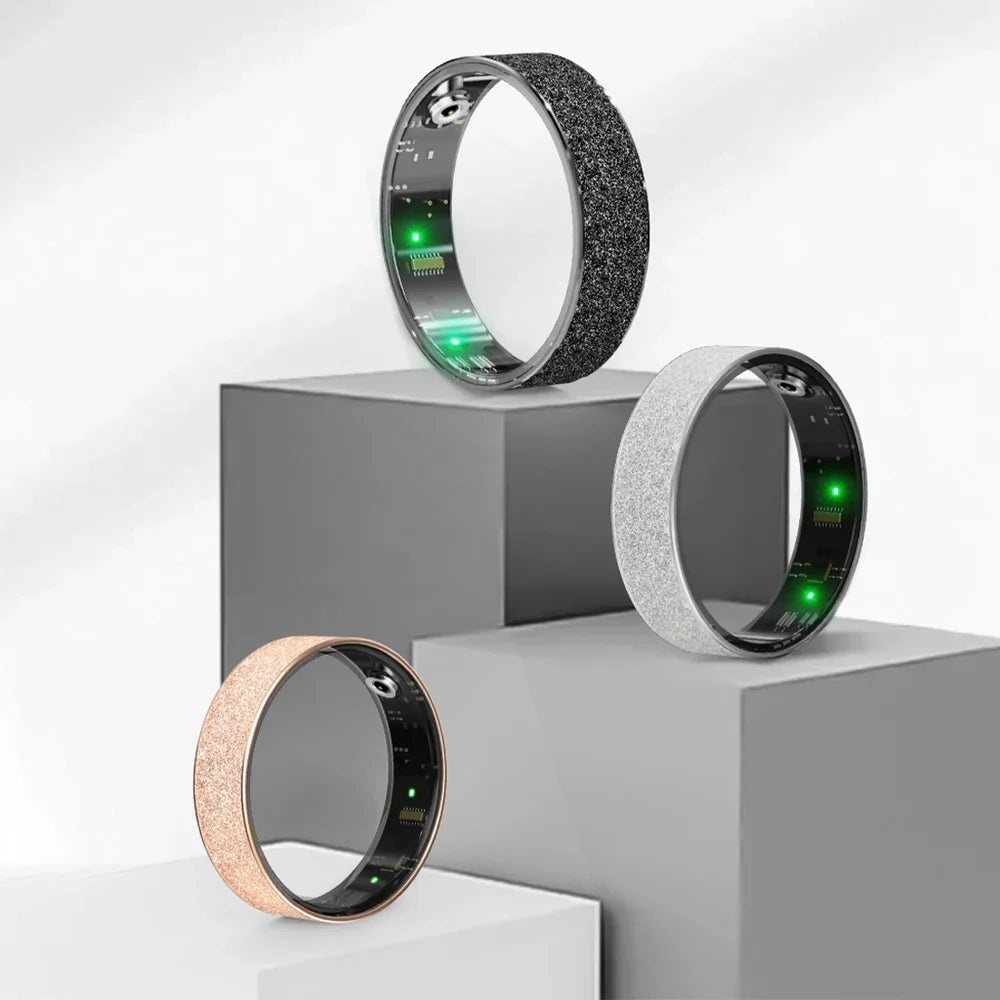
Smart rings use advanced, low-profile biosensors to monitor subtle bodily changes while you rest, including heart rate, heart rate variability (HRV), movement, and body temperature trends. Unlike devices that require tight straps or bulky placements, a smart ring sits comfortably on your finger, capturing consistent data throughout the night as you move naturally.
Once synced to a compatible mobile app, the device organizes raw data into easy-to-read sleep reports, breaking down your night into distinct sleep stages and highlighting key patterns. This passive tracking means you don’t have to press buttons or adjust settings before bed—simply wear the ring as you normally would, and let the technology do the work.
Key Sleep Stages Your Smart Ring Monitors
Understanding the different stages of sleep helps you interpret your data and identify areas for improvement. Most quality smart rings track these core sleep phases:
-
Light Sleep: This is the transitional stage between wakefulness and deep sleep, making up the largest portion of nightly sleep. It supports memory consolidation and general recovery, and is easy to wake from.
-
Deep Sleep: Often called “restorative sleep,” this stage is critical for physical recovery, immune system support, and cellular repair. A healthy amount of deep sleep leaves you feeling refreshed upon waking.
-
REM (Rapid Eye Movement) Sleep: This stage is linked to cognitive function, dream activity, and emotional regulation. Balanced REM sleep supports focus, mood stability, and mental clarity throughout the day.
Your smart ring also tracks total sleep time, sleep efficiency (how much time you spend asleep vs. in bed), and number of nighttime awakenings—all actionable metrics to help you refine your sleep routine.
Practical Ways to Use Sleep Data for Better Rest
Tracking sleep data is only valuable if you use it to make small, sustainable changes. Here are realistic, actionable ways to leverage your smart ring insights:
1. Adjust Your Evening Routine
If your data shows frequent nighttime awakenings, take note of pre-bed habits like screen time, caffeine intake, or room temperature. Even small shifts—such as dimming lights an hour before bed or keeping your bedroom cool—can improve sleep continuity over time.
2. Stick to a Consistent Sleep Schedule
Irregular bedtimes and wake-up times can disrupt your body’s natural circadian rhythm. Use your sleep data to find a schedule that works for your lifestyle, and aim to stick to it even on weekends to build consistency.
3. Identify Lifestyle Triggers
Notice patterns between daily activities and sleep quality. For example, intense late-afternoon workouts or heavy meals before bed may impact deep sleep. Use your smart ring reports to spot these triggers and make gentle adjustments.
4. Prioritize Restorative Rest
If your deep sleep levels are lower than ideal, focus on reducing stress before bed (such as gentle stretching, reading, or quiet breathing exercises) to support deeper, more restful sleep cycles.
Why Choose a Smart Ring for Sleep Tracking
Sleep tracking tools come in many forms, and a smart ring stands out for its comfort and discretion. Designed to be lightweight and smooth, it won’t dig into your fingers or disrupt movement while you sleep, making it suitable for all-night wear.
The Seapoom Smart Ring is built with skin-friendly materials and a slim profile, so you can wear it nightly without discomfort. Its passive monitoring requires no manual input, and the accompanying app presents data in a straightforward, easy-to-understand format—no technical expertise needed.
Simple Tips to Maximize Sleep Tracking Accuracy
To get the most consistent, reliable data from your smart ring, keep these small tips in mind:
-
Ensure the ring fits snugly but comfortably (not too tight) to maintain consistent sensor contact.
-
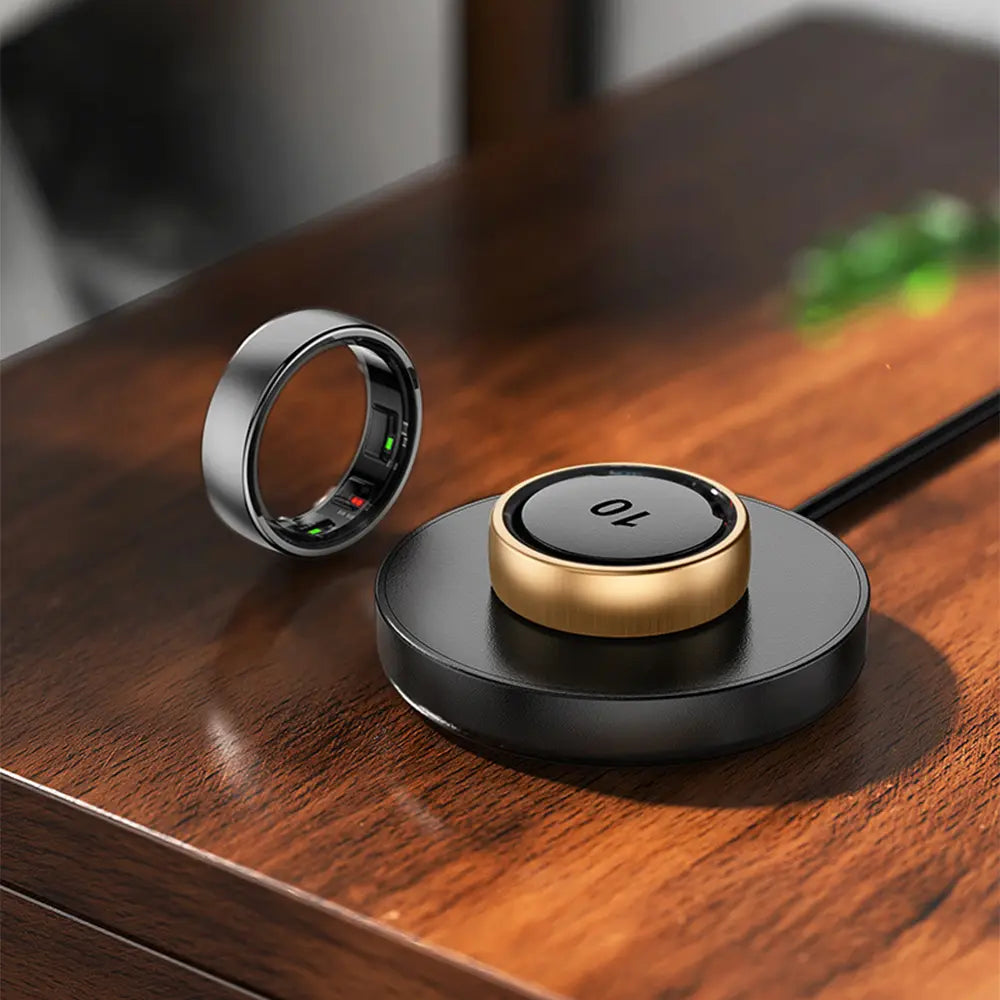
Charge the ring regularly to maintain uninterrupted tracking overnight.
-
Keep the sensor area clean to avoid interference with readings.
-
Sync the ring to your app regularly to review fresh data and spot trends quickly.
Final Thoughts
Better sleep doesn’t happen overnight, but having clear, consistent data can make the journey easier. A smart ring is a practical, low-fuss tool to help you understand your sleep patterns and make intentional choices to support restful nights and energized days.



Leave a comment
This site is protected by hCaptcha and the hCaptcha Privacy Policy and Terms of Service apply.