
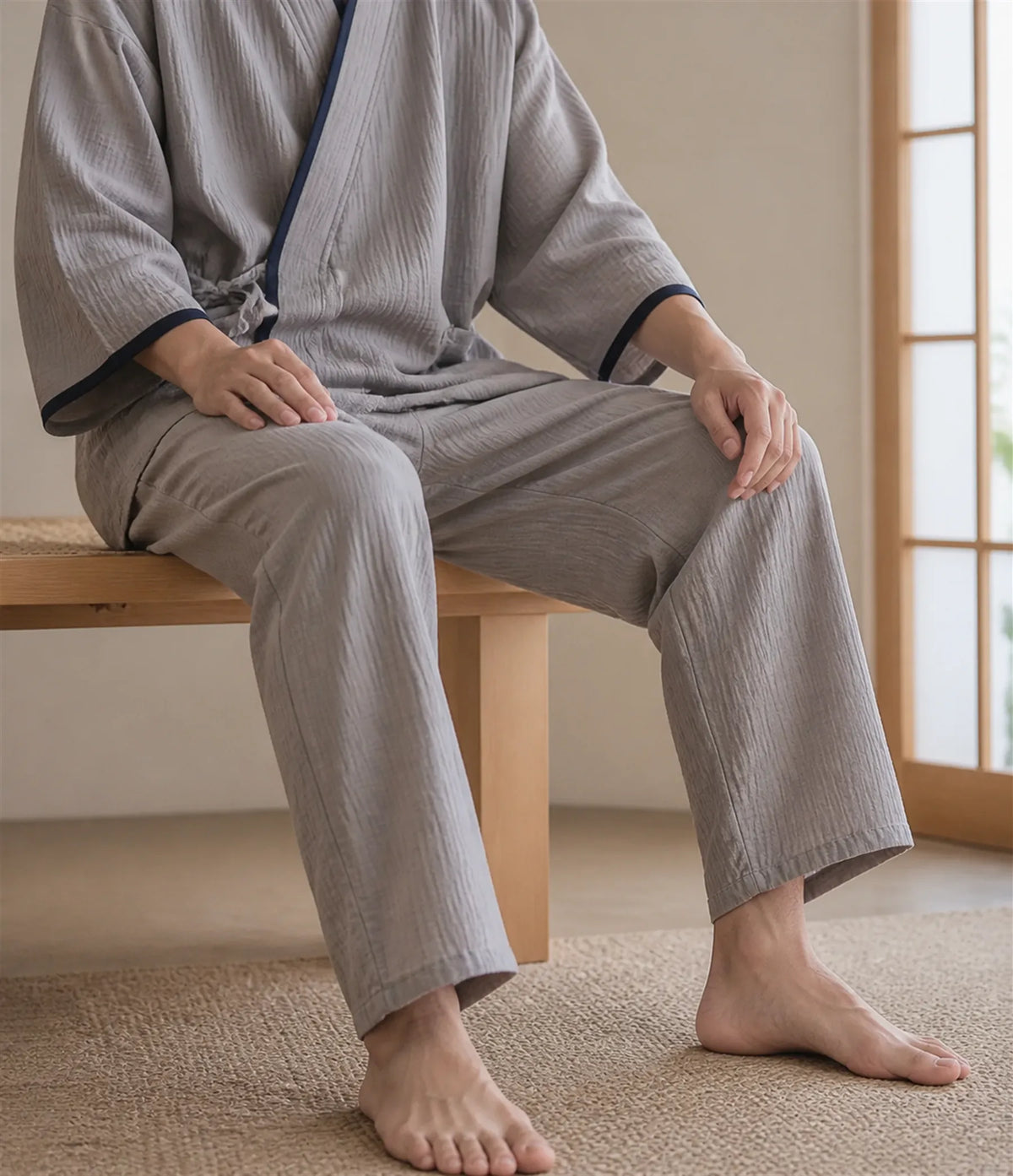
How to Wash a Cotton Samue Without Losing Its Shape
A cotton samue is designed for comfortable movement, but its relaxed appearance does not mean it should be washed without care. Hot water, strong agitation, overloaded machines, and high-temperatur...
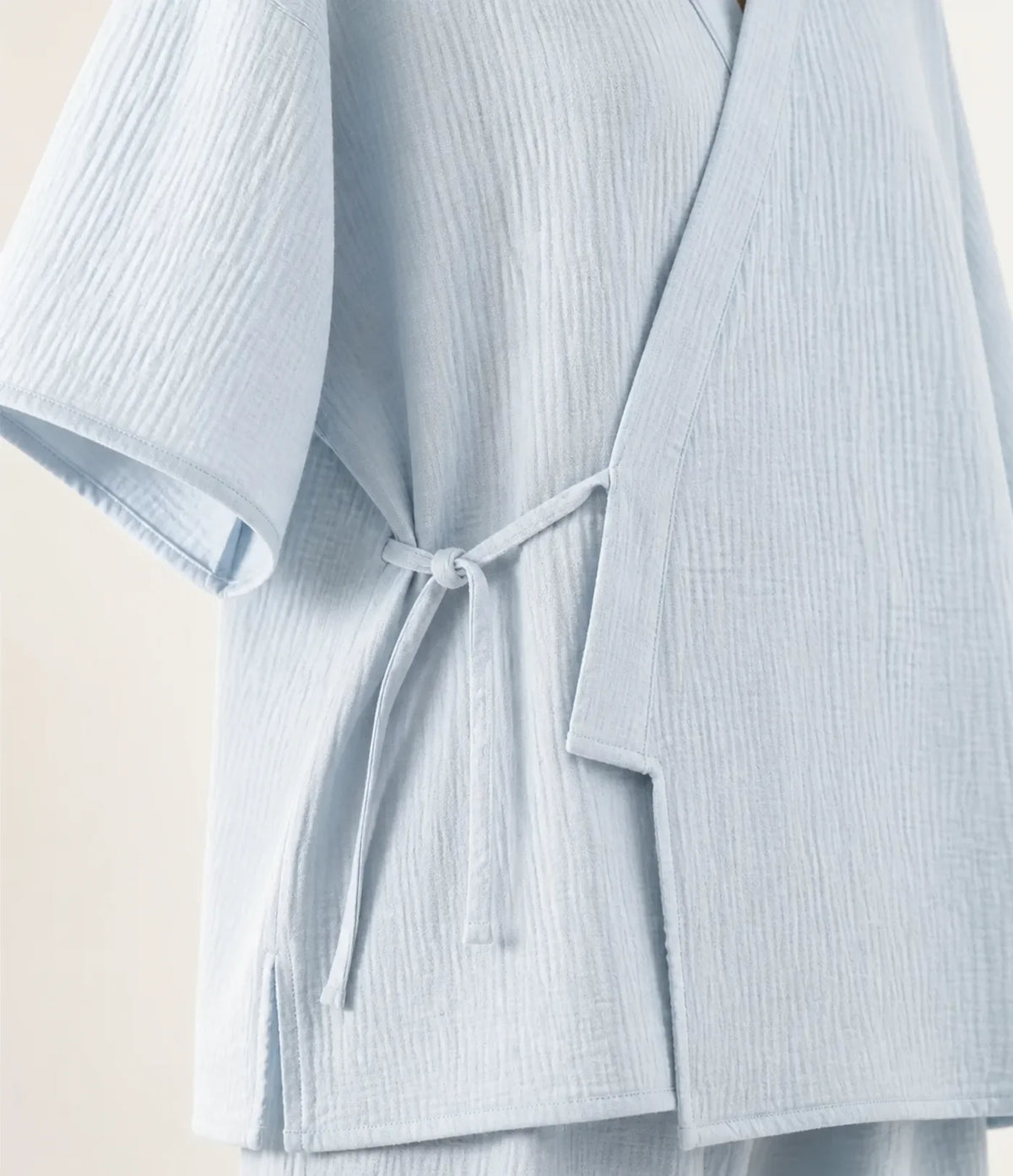
Japanese Jacket Ties and Closures: Himo, Open Fronts, and Wrap Styles
A Japanese-style jacket without buttons or a zipper is not necessarily missing a closure. Open fronts, connecting cords, overlapping panels, and fabric ties belong to different garment structures, ...
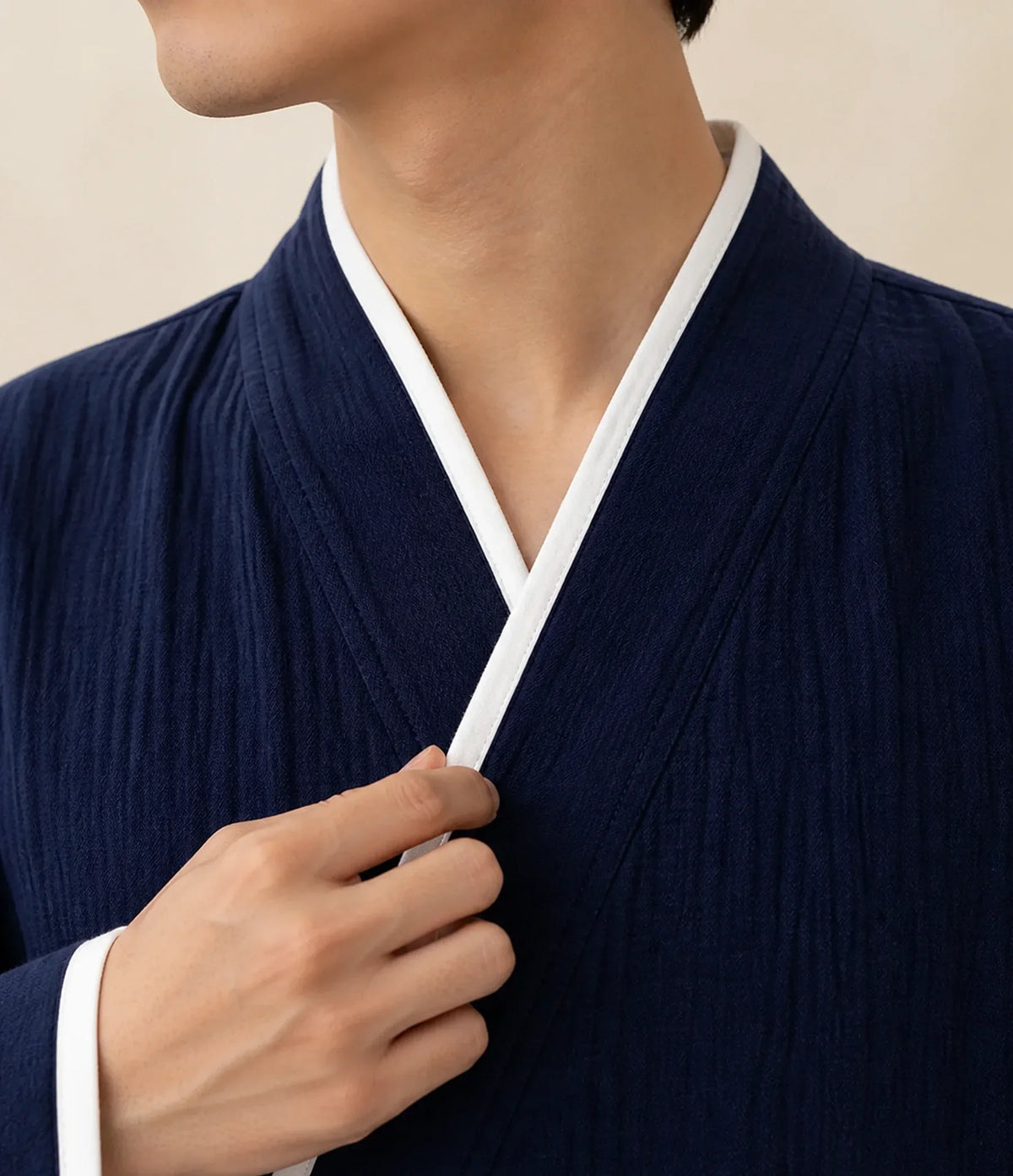
Left Over Right in Japanese Clothing: What the Rule Applies To
One of the first instructions people hear when learning to wear kimono is “left over right.” The same convention applies to yukata and many other Japanese wrap-front garments, including traditional...
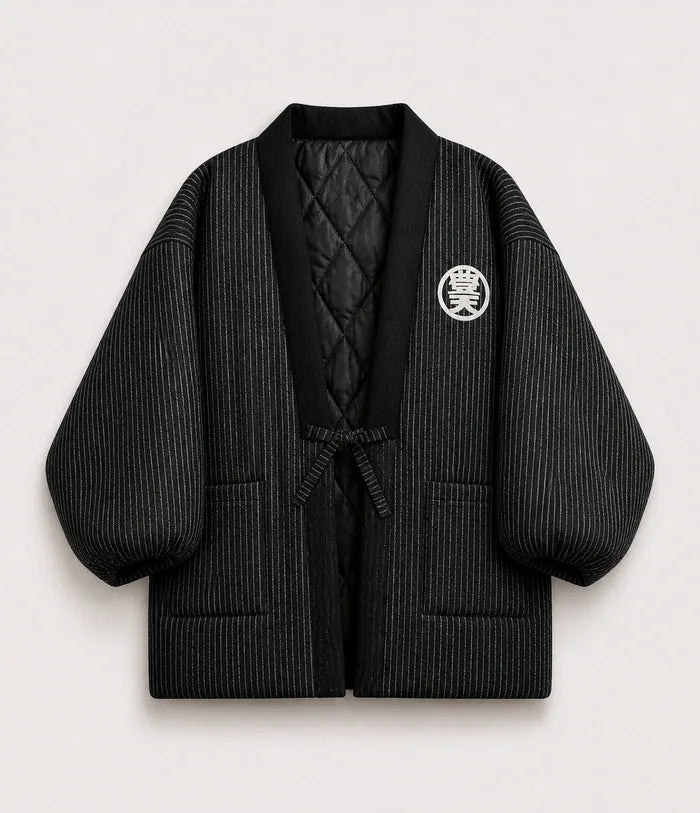
How to Layer a Hanten Without Restricting Movement
A padded hanten provides warmth through insulation and the air held within and around its layers. Wearing more clothing underneath can improve comfort, but only until those layers begin to compress...
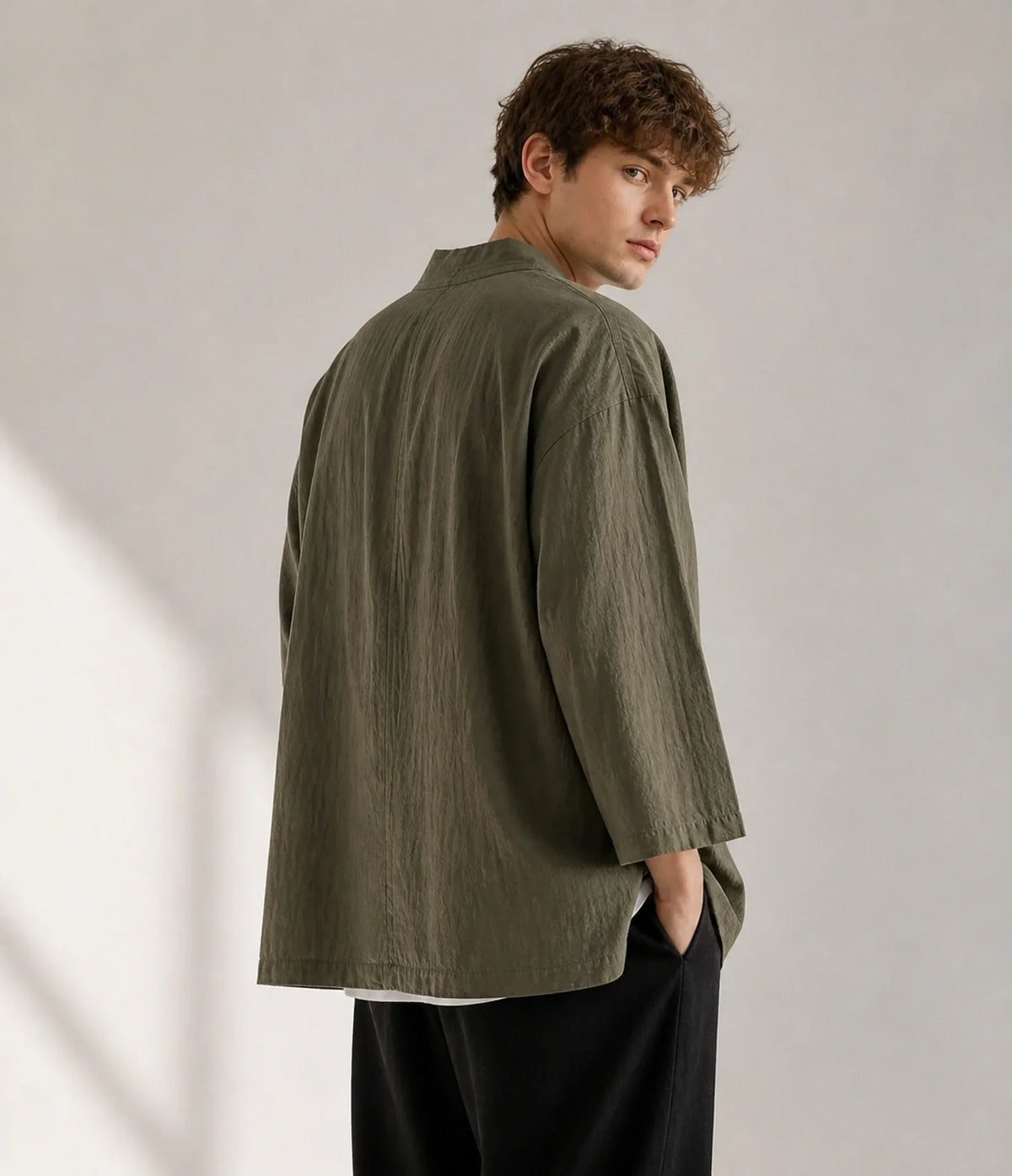
How to Wear a Haori with Everyday Western Clothes
A haori is traditionally an outer jacket worn over kimono, but its straight shape and open front also work naturally with modern clothing. It can add texture and a relaxed silhouette to an outfit w...
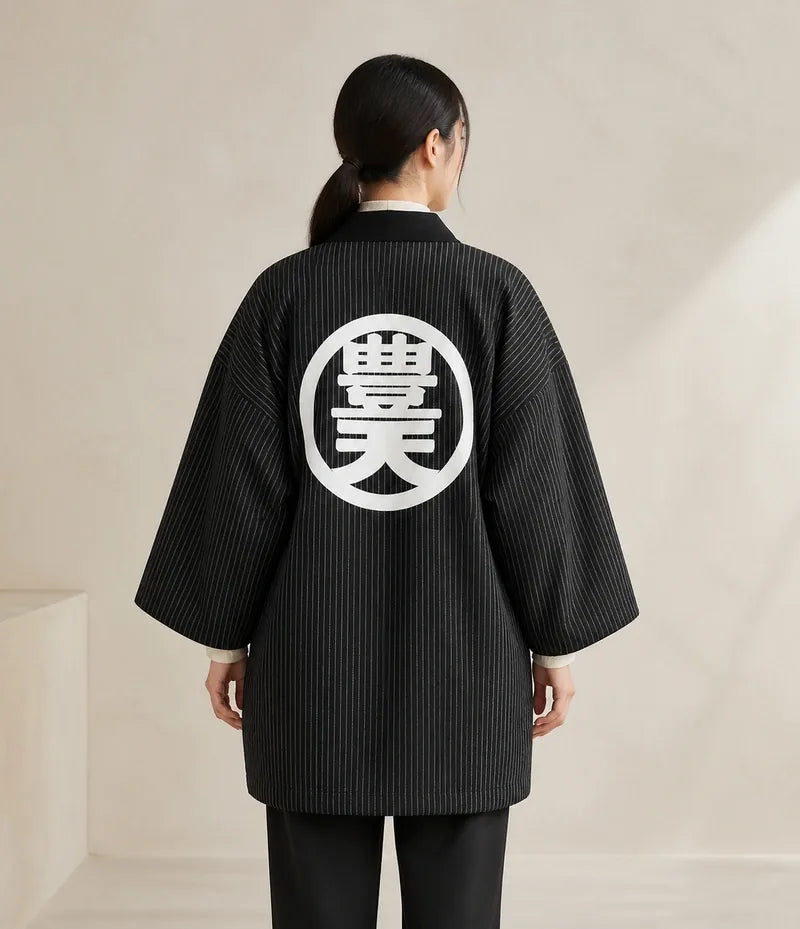
Cotton, Linen, Denim, and Polyester in Japanese-Inspired Clothing
Two Japanese-style jackets can have nearly identical shapes and feel completely different when worn. One may be light and soft enough for a warm room, while another holds its shape like a work jack...